
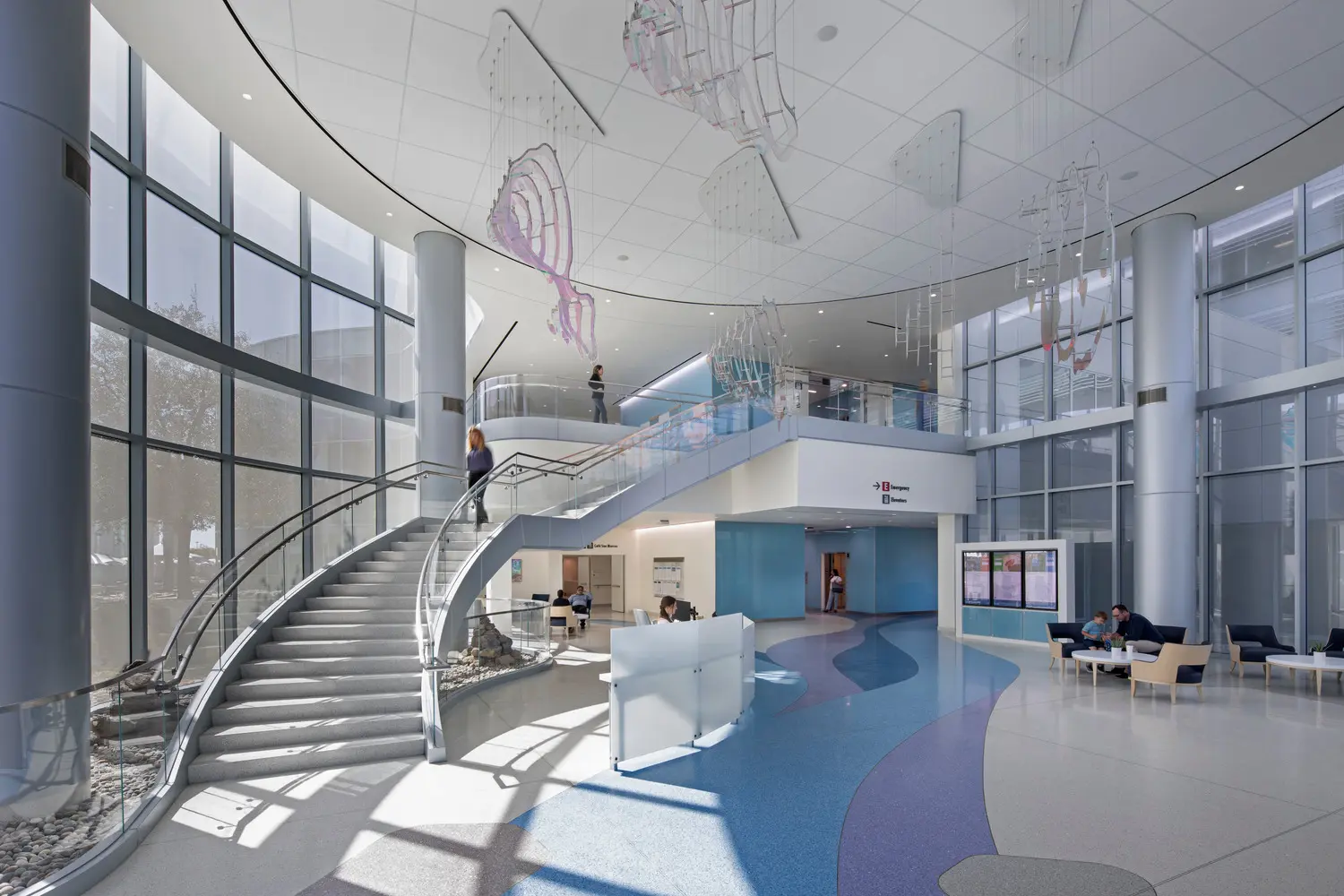
Clinic design architect in Lucknow for polyclinics, diagnostic centres and specialty clinics by Soul Architects

Clinic & OPD Architecture in Lucknow

Clinic Design in Lucknow — Polyclinics, Diagnostic Centres, Day-Care Units & Specialty Clinics

Architecture for healthcare practitioners building their own clinic, polyclinic, diagnostic centre or day-care unit in Lucknow — planned around case mix, patient experience, infection control and the regulatory landscape that governs clinical establishments in Uttar Pradesh.

Clinic Architecture in Lucknow

A clinic is not a small hospital. It is a different building type with its own design discipline.

Lucknow has become one of the fastest-growing healthcare markets in North India. Consultants who once practised inside hospital OPDs now run their own clinics. Diagnostic chains have entered every major neighbourhood. Day-care surgical centres are replacing inpatient admission for routine procedures. Specialty practices — dental, dermatology, IVF, orthopaedics, paediatrics, cardiology — are opening at a pace the city has not seen before.

Most of these clinics are being planned by architects who design houses, offices and retail. The result is visible across the city — clinics that look attractive in renderings but struggle the moment they begin operating. Consultation rooms with poor acoustic privacy. Diagnostics positioned far from the entry. Waiting halls that congest at peak hours. Wayfinding that confuses first-time visitors. Infection control that is treated as a checklist rather than a planning principle.

Soul Architects is a healthcare architecture practice in Lucknow. The studio designs clinics with the same evidence-based discipline applied to multispeciality hospitals — case mix analysis, patient flow planning, infection control logic, equipment integration and regulatory anticipation — compressed and tuned to the smaller footprint and faster cadence of a clinic.

This page documents how the practice approaches clinic design in Lucknow and what doctors, diagnostic chain operators and day-care entrepreneurs should expect from a clinical architecture partner.

Clinic Typologies

Solo Practice, Polyclinic, Diagnostic Centre, Day-Care — Each Has Its Own Architectural Rules

The first conversation in any clinic design project is about typology. A solo specialty practice for a single consultant works differently from a polyclinic shared by six doctors, which works differently from a diagnostic centre running CT, MRI and pathology, which works differently from a day-care unit performing minor surgery. Designing one as the other is the most common mistake in clinic architecture.

A solo practice typically needs a single consultation room, an examination cubicle, a small minor procedure space, a reception, a waiting bay for six to ten patients and a staff utility. The footprint usually sits between 800 and 1,500 square feet depending on specialty.

A polyclinic with four to eight consultants needs multiple consultation pods, a shared diagnostic block, a larger waiting hall organised around the pods, billing and pharmacy adjacency, and clear flow separation between specialty zones. Footprint runs 3,000 to 6,000 square feet.

A diagnostic centre adds radiation shielding for imaging, sample collection, reporting rooms, doctor offices and back-of-house pathology. A day-care surgical centre adds a minor operation theatre with appropriate HVAC, a recovery bay and the regulatory documentation that comes with an OT in Uttar Pradesh.

Front of House

Reception, Waiting and the First Impression of a Clinic

The reception is the only architectural element a patient sees before forming an opinion about the clinic. It must communicate competence, calm and order within the first ten seconds of arrival. The desk should be visible from the entry, the waiting area should be visible from the desk, and the path to consultation should be intuitive without signage.

Waiting design in clinics is more sensitive than in hospitals. Patients sit closer together, often within earshot of the consultation room. Acoustic separation, considered seating layout, natural light, defined sub-zones for elderly or paediatric patients, and a thoughtful relationship between waiting and consultation determine whether the clinic feels professional or rushed.

Soul Architects designs the front of house with retail-grade attention to first impression and hospital-grade attention to clinical privacy. The combination is rare in clinics across Lucknow and consistently noticed by patients.

This is also where branding lives in built form — logo, colour palette, signage, material language — integrated into the architecture rather than applied as a finishing layer.

Consultation Room Design

The Consultation Room Is the Productive Unit of the Clinic. It Should Be Designed Accordingly.

Every clinic earns its revenue inside the consultation room. Yet consultation rooms are often planned generically — a desk, two chairs, an examination couch, a wash basin — without considering specialty workflow, equipment, ergonomics, privacy or future technology.

A well-planned consultation room reflects the specialty it serves. An orthopaedic consultation room needs space for an examination couch with peripheral access for goniometric assessment. A paediatric room needs a small play zone and a low examination platform. A cardiology room needs ECG positioning, screen visibility and counselling adjacency. A dermatology room needs procedure lighting and minor procedure capability.

Acoustic privacy is non-negotiable. Walls must be solid, doors must seal, ducts must not transmit sound between adjacent rooms. Most clinic privacy failures trace to MEP penetrations rather than wall construction.

Soul Architects designs each consultation room against the specialty workflow and consultant preference, with attention to ergonomics, equipment integration and the small details that compound across a 200-patient working week.

Procedure Rooms and Minor Operation Theatres in Clinics

Many specialty clinics include a minor procedure room or a small operation theatre for ambulatory work — dermatology procedures, dental surgery, IVF retrievals, orthopaedic injections, ophthalmology day-care, paediatric minor procedures. The architectural requirements step up sharply at this threshold.

A minor procedure room requires controlled HVAC, dedicated handwash, splash-resistant finishes, biomedical waste handling and equipment-grade electrical safety. A clinic-scale operation theatre adds positive pressure, HEPA filtration, recovery adjacency, anaesthesia provisions and the regulatory documentation that day-care surgery requires in Uttar Pradesh.

Soul Architects supports clinic operators in scoping the right level of procedure capability for the planned case mix and designing the room appropriately rather than over-engineering or under-providing.

Read about operation theatre design

Diagnostic Centre Planning — CT, MRI, Pathology and Sample Collection

Diagnostic centres handle higher daily footfall than most specialty clinics and require careful flow design. Sample collection at the entry, ECG and X-ray on the public floor, CT and MRI with appropriate shielding and patient transfer planning, pathology back-of-house with controlled access, reporting and dispatch in a dedicated zone.

Imaging shielding is the single largest cost variable. Lead-lined walls, doors and viewing windows around CT and X-ray rooms, and radiofrequency shielding around MRI rooms, must be designed early because retrofit is disruptive and expensive.

Soul Architects coordinates imaging vendors, shielding specialists and MEP consultants from the concept stage to deliver diagnostic centres that pass regulatory inspection on the first attempt.

Infection Control in a Small Clinic Footprint

Infection control is often considered a hospital-only discipline. In reality, clinics handle large patient volumes in compact spaces with shared ventilation, shared waiting and limited isolation capacity. Infection risk in a clinic is real, and during respiratory illness seasons it is acute.

Clinic infection control begins with separated entry and exit where the plan allows, fresh-air ventilation strategy, isolation provision for suspected infectious cases, infection-resistant finishes, hand hygiene visibility at every threshold and biomedical waste handling that does not cross clean zones.

Soul Architects builds infection control into the clinic plan from the concept stage rather than retrofitting it after regulatory inspection raises issues.

Read about NABH-oriented healthcare planning

Licensing, Fire NOC and the Lucknow Regulatory Landscape

Clinics in Lucknow are governed by Uttar Pradesh Clinical Establishment registration, fire NOC from the local fire department, biomedical waste authorisation from the pollution control board, and accessibility provisions under the Rights of Persons with Disabilities Act. Day-care surgical units additionally require operation theatre clearances and pharmacy licensing.

Most clinic projects in the city run into approval delays because the architecture was finalised before the regulatory landscape was studied. Fire NOC failures are particularly common — staircase width, refuge area, fire-rated doors, sprinkler coverage and exit signage are easier to design in than to retrofit.

Soul Architects anticipates every approval pathway during the concept stage so that the architecture is regulator-ready by the time drawings are submitted.

Architecture as a Clinic Branding Asset

Patients in Lucknow now choose clinics the way they choose restaurants — on reputation, recommendation and the visible quality of the space. A clinic that looks generic, dated or cluttered loses to a clinic that feels considered, calm and confident, even when the consultant is equally qualified.

Architecture is the most under-leveraged branding asset in Indian clinical practice. The studio designs each clinic so that the built environment reinforces the practitioner's positioning — whether that is a luxury aesthetic clinic, a clinical-precision orthopaedic centre or a warm paediatric practice.

This is not decoration. It is brand architecture — the deliberate use of plan, light, material and detail to communicate the kind of practice the clinic represents.

Designing for Growth — From Clinic to Polyclinic to Day-Care

The most successful clinics outgrow their original footprint within three to five years. The most expensive mistake at year zero is designing without a growth pathway.

Soul Architects routinely plans clinics with a defined expansion strategy — reserved adjacent floor area, structural capacity for a future minor OT, MEP headroom for additional consultation rooms, and a phased build approach that allows the practice to expand without closing operations during construction.

The discipline costs nothing extra at design stage and saves the practice from a forced relocation or a disruptive rebuild when growth arrives.

Lucknow Context

Designing Clinics for Gomti Nagar, Hazratganj, Indira Nagar, Aliganj and the Wider Lucknow Healthcare Map

Different parts of Lucknow have different healthcare demand profiles. Gomti Nagar attracts premium specialty practice and concentrated diagnostic chains. Hazratganj continues to anchor legacy consultants and family-doctor practices. Indira Nagar and Aliganj are seeing rapid growth in mid-tier polyclinics and day-care centres. The peripheries — Telibagh, Raebareli Road, Sushant Golf City — are attracting full-service polyclinics serving expanding residential catchments.

Soul Architects designs clinic projects across these neighbourhoods, calibrating typology, scale, finish level and patient experience to the local context. A consultation pricing strategy that works in Gomti Nagar will not translate to Telibagh, and the architecture should reflect that reality rather than ignore it.

The studio operates from its own office on Raebareli Road, which gives the practice direct visibility into the south Lucknow healthcare growth corridor and the typologies that are working there.

Explore Soul Architects as a Lucknow architecture firm

Why Soul Architects for Clinic Design in Lucknow

Soul Architects combines healthcare architecture, regulatory anticipation, infection control planning, patient flow design and brand architecture into a single integrated clinic design practice. Every clinic is planned around the consultant's case mix, the catchment's expectations, the regulatory pathway and the future growth horizon.

The studio supports solo consultants, multi-doctor partnerships, diagnostic chain operators and day-care entrepreneurs with the same evidence-based discipline that defines its hospital architecture work. The objective is to deliver clinics that operate reliably, look credible and grow gracefully.

From Concept to Handover — What a Clinic Project Looks Like

A clinic project typically moves through case mix and brief alignment, concept design, regulatory review, detailed drawings, MEP coordination, construction supervision and handover. Soul Architects works as the single point of architectural and design coordination across this journey.

For most clinics in Lucknow, design through handover runs five to seven months. Diagnostic centres and day-care units with imaging or OT clearances extend this. Solo specialty clinics can complete faster.

Consultation Areas

Planning a Clinic, Polyclinic, Diagnostic Centre or Day-Care Unit in Lucknow?

Whether you are a single consultant setting up your first practice, a partnership planning a polyclinic, a diagnostic chain expanding into Lucknow or an entrepreneur opening a day-care surgical centre, the architecture of your clinic will shape patient experience, operational performance and long-term institutional value.

Soul Architects delivers clinic design with healthcare specialisation, local regulatory understanding and a clear sense of where the Lucknow healthcare market is going.

Polyclinic Design Diagnostic Centre Architecture Day-Care Surgical Unit Specialty Clinic Design Dental & Aesthetic Clinics IVF & Fertility Centres Regulatory-Ready Architecture

Frequently Asked Questions

Clinic Design Lucknow FAQs

Clinics handle smaller footprints, shorter patient encounters and faster turnover than hospitals. The architecture must compress the same disciplines — infection control, patient flow, equipment integration, wayfinding — into a fraction of the area, without sacrificing the experience. Hospital templates rarely translate well to clinic scale.

The studio designs polyclinics, diagnostic centres, day-care surgical units, dental clinics, dermatology and aesthetic clinics, IVF and fertility centres, orthopaedic clinics, cardiology OPDs, paediatric clinics and dialysis units. Each typology has its own architectural rules.

A solo specialty clinic typically works in 800 to 1,500 sqft. A multi-doctor polyclinic with diagnostics sits in the 3,000 to 6,000 sqft range. A day-care surgical centre with a minor OT, recovery and basic imaging needs 6,000 to 12,000 sqft. The studio sizes each project against case mix, doctor count and growth horizon.

Clinics in Lucknow are governed by Uttar Pradesh Clinical Establishment registration, fire NOC from the local fire department, biomedical waste authorisation, pollution clearance for diagnostics, and accessibility norms. Day-care surgical centres additionally require operation theatre clearances. Architectural decisions should anticipate every approval before drawings are finalised.

Yes, but only if the original architecture reserves structural capacity, MEP headroom, vertical circulation, plot setbacks and utility allocation for future expansion. Without that foresight, every expansion becomes a rebuild. Soul Architects routinely plans clinics with a defined growth pathway from day one.

Concept design through to handover for a mid-size polyclinic of around 4,000 sqft typically runs eight to twelve weeks of design and twelve to sixteen weeks of execution. Smaller specialty clinics complete faster, while diagnostic centres with imaging shielding and day-care units with OT clearances extend the timeline.

WhatsApp
Call WhatsApp Enquire