
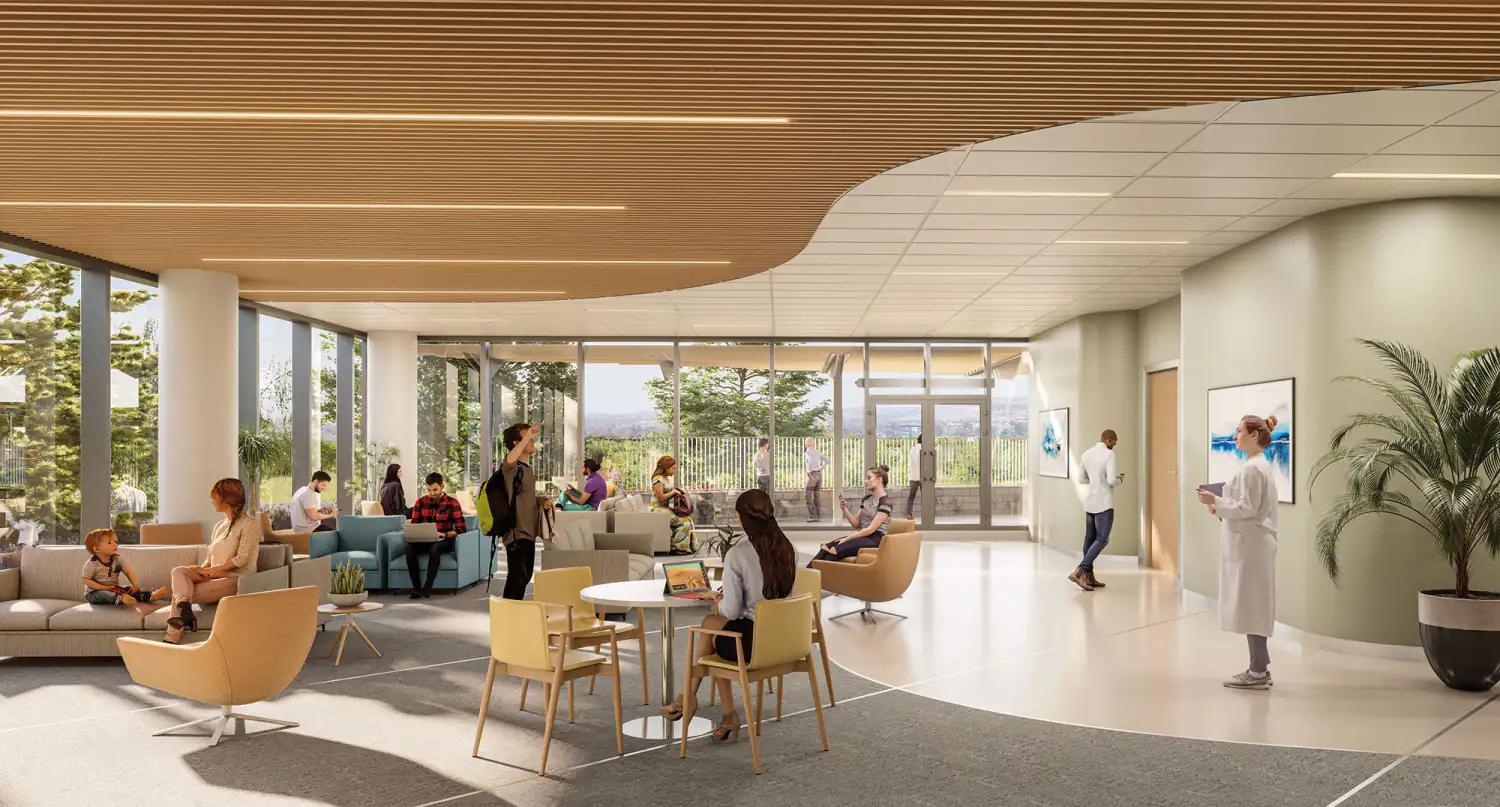
Healthcare Interior Case Study
Hospital Interior Project in Lucknow — Healthcare Interior Design and Healing Environment Case Study
An editorial healthcare interiors case study focused on patient comfort, wayfinding, hygiene, clinical workflow, ICU interiors and emotionally supportive hospital environments.
Project Overview
Healthcare interiors are planned as experience infrastructure, not decoration.
This hospital interior project in Lucknow is documented as a healthcare experience planning case study. It focuses on how interiors shape patient stress, movement clarity, caregiver comfort, staff efficiency, infection control and perceived quality of care.
The page reinforces Soul Architects’ healthcare specialization by connecting interior design with hospital interior design, clinical workflows, patient-centric planning and operational healthcare needs.
The interior strategy avoids cosmetic treatment and instead treats lighting, materials, acoustics, wayfinding and spatial organization as healthcare performance decisions.
Healthcare Vision and Objectives
The design objective is to create interiors that feel calm, clear, hygienic and operationally useful.
Healthcare interiors influence patient anxiety, staff fatigue, waiting experience, orientation and trust. The project vision is to create a hospital environment that supports healing while remaining durable and clinically appropriate.
The interiors are connected to broader healthcare architecture services, because a healthcare interior only performs well when it supports the architecture and workflows around it.
Site Context and Planning Challenges
The challenge is to create warmth and clarity inside a technically demanding healthcare environment.
Hospital interiors must balance public comfort, clinical efficiency, infection-resistant materials, accessibility, signage and department-specific functional needs.
In a growing healthcare market like Lucknow, healthcare spaces also need to communicate institutional credibility without becoming visually overwhelming or hospitality-themed in a superficial way.
The design strategy uses restrained materiality, clear movement paths and human-centered waiting environments.
Workflow and Patient Flow Planning
Interior planning supports the way patients register, wait, consult, move and recover.
Patient flow is supported through intuitive circulation, visible destinations, legible waiting zones, consultation privacy and diagnostic adjacency. The interior environment reduces confusion by making the hospital easier to understand.
This creates a direct relationship between interiors and hospital planning consultant strategy.
ICU and Critical Care Integration
ICU interiors are planned for dignity, visibility, acoustic control and clinical precision.
Critical care interiors require careful coordination of lighting, surfaces, equipment zones, family interaction, privacy and staff movement. The design avoids harsh sensory conditions while preserving clinical performance.
This supports the project’s connection with ICU planning and design as a specialized healthcare environment.
NABH-Oriented Interior Strategy
Healthcare interiors can support compliance through safety, hygiene, accessibility and operational clarity.
Interior planning considers hand hygiene points, material cleanability, circulation legibility, accessibility, waiting area organization and staff support spaces.
These decisions reinforce NABH-oriented hospital planning by making compliance-sensitive behavior easier within the physical environment.
Sustainable Infrastructure Integration
Sustainable interiors rely on durable materials, daylight, low-emission finishes and lifecycle thinking.
Healthcare interiors should be maintainable, healthy and emotionally comfortable over time. The project considers low-emission finishes, durable surfaces, daylight-responsive spaces and efficient lighting.
This connects the interiors with sustainable healthcare infrastructure instead of treating sustainability as a separate theme.
Future Scalability Planning
Interior systems are planned to adapt as departments, technologies and patient volumes change.
Future-ready healthcare interiors need adaptable furniture planning, flexible waiting capacity, resilient finishes, modular service thinking and visual systems that can grow with the institution.
The project supports long-term hospital usability across changing healthcare delivery models.
Visual Project Gallery
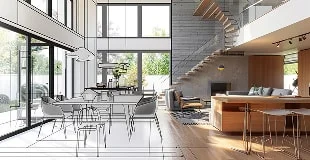
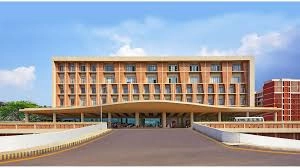
Healthcare interior visuals and healing environment references
The gallery supports material, workflow and experience planning without relying on a heavy carousel.


Architectural Philosophy
Healthcare interiors should reduce stress, support care delivery and make institutions easier to trust.
Soul Architects approaches hospital interiors as part of healthcare delivery. A good interior should help people move, wait, recover and work with less stress.
This project reinforces Soul Architects’ position as a healthcare-capable interior designer in Lucknow with medical planning intelligence.
Healthcare Expertise CTA
Planning a Hospital Interior Design Project in Lucknow?
Soul Architects supports hospitals, clinics and healthcare institutions with healing-centered interiors, wayfinding, waiting areas, ICU interiors, material planning and healthcare space planning.
Frequently Asked Questions
Hospital Interior Project FAQs
Hospital interiors must support hygiene, patient comfort, wayfinding, clinical workflows, durability and accessibility.
Lighting, acoustics, materials, privacy, navigation and waiting area comfort can reduce stress and improve clarity.
Yes. Well-planned interiors improve movement, staff efficiency, department clarity and patient-facing workflows.