
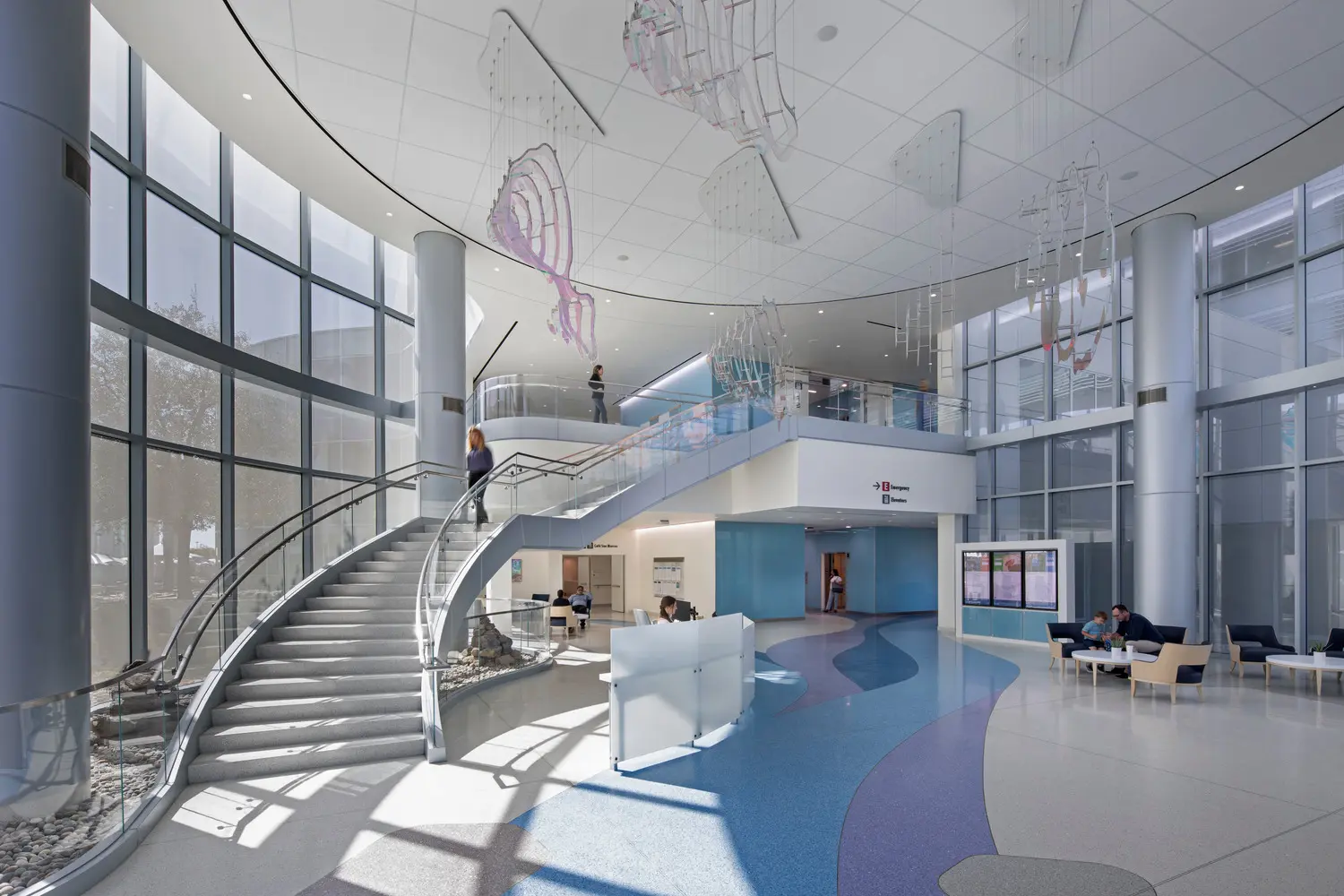
NABH-Oriented Healthcare Case Study
NABH Hospital Project in Lucknow — Compliance-Oriented Healthcare Planning Case Study
A hospital infrastructure case study focused on patient safety, workflow clarity, infection control, emergency readiness and accreditation-oriented planning.
Project Overview
NABH-oriented hospital planning begins with operational systems, not cosmetic compliance.
This NABH hospital project in Lucknow is framed as a healthcare planning document for institutions seeking safer, more organized and accreditation-ready infrastructure.
The project connects NABH hospital planning with patient movement, infection control, emergency access, ICU strategy, healthcare interiors and long-term hospital operations.
The objective is to show how compliance-sensitive architecture can improve everyday healthcare delivery while reducing future retrofit risks.
Healthcare Vision and Objectives
The healthcare vision is to create infrastructure that supports patient safety and operational quality from the first planning decision.
NABH-oriented healthcare design requires architecture to support safety, accessibility, movement clarity, infection prevention and emergency preparedness. These systems cannot be added meaningfully after the building is already planned.
The project reinforces Soul Architects’ broader healthcare architecture services by showing how clinical quality and spatial planning are interconnected.
Site Context and Planning Challenges
The planning challenge is to keep public, clinical, emergency and service movement legible and controlled.
Hospital sites in growing healthcare markets like Lucknow must support public arrival, ambulance access, service entries, staff movement, parking and future growth without creating operational conflict.
This project organizes the hospital around clear movement hierarchies and controlled interfaces between public-facing and clinical zones.
The approach strengthens the hospital’s long-term usability and supports the kind of early decision-making expected from a hospital design consultant in Lucknow.
Workflow and Patient Flow Planning
NABH-sensitive workflows reduce confusion, cross-movement and operational delays.
The project studies patient circulation, staff routes, emergency movement, sterile and non-sterile pathways, biomedical waste flow and service logistics. This improves operational clarity and supports safer healthcare delivery.
Workflow planning connects directly with healthcare workflow optimization, because patient safety is often shaped by how clearly people and services move through the hospital.
ICU and Critical Care Integration
Critical care zones require compliance-sensitive planning for visibility, infection control and rapid response.
ICU planning within the project considers nurse visibility, patient monitoring, family-sensitive access, medical gas coordination, controlled airflow and clean circulation.
The project links compliance strategy with ICU planning and design so critical care areas are not isolated from the broader hospital operating system.
Healthcare Interior Design Approach
Interior environments support compliance when they improve wayfinding, hygiene and patient comfort.
NABH-oriented interiors need durable materials, clear signage, accessible movement, hand hygiene support, acoustic control and calming patient-facing environments.
The project uses healthcare interior design as an operational layer, not a decorative finish.
Sustainable Infrastructure Integration
Compliance-ready healthcare infrastructure should also be resilient, efficient and future-ready.
The planning framework considers daylight, thermal performance, efficient systems, water-conscious planning and durable material choices to reduce long-term operating stress.
This connects accreditation readiness with sustainable hospital design and lifecycle performance.
Technical Planning Considerations
Technical coordination is treated as part of the architecture, not a separate afterthought.
The project considers fire and life safety, HVAC coordination, biomedical waste movement, service access, accessibility, clinical zoning and future departmental changes as part of the planning strategy.
This creates a more institutionally credible healthcare environment for hospitals in Lucknow and Uttar Pradesh.
Visual Project Gallery
NABH-oriented planning visuals and hospital infrastructure references
Visuals are selected to support compliance, zoning and healthcare planning concepts.




Architectural Philosophy
NABH-oriented design should make hospitals safer, clearer and easier to operate.
Soul Architects approaches compliance as a quality-of-care design framework. The goal is not only to prepare for accreditation, but to create hospitals that function more intelligently every day.
This project reinforces Soul Architects’ position as a healthcare architect in Lucknow with operational healthcare understanding.
Healthcare Expertise CTA
Planning an NABH-Oriented Hospital Project in Lucknow?
Soul Architects supports healthcare institutions with compliance-sensitive planning, workflow strategy, ICU integration, infection control, healthcare interiors and sustainable infrastructure.
Frequently Asked Questions
NABH Hospital Project FAQs
It includes planning for patient safety, infection control, accessibility, emergency movement, clinical workflows, waste movement and operational readiness.
Early planning prevents costly retrofits and helps the hospital infrastructure support safer, more efficient operations from the beginning.
Yes. Architecture directly affects circulation, zoning, safety, accessibility, infection control and healthcare workflow clarity.