
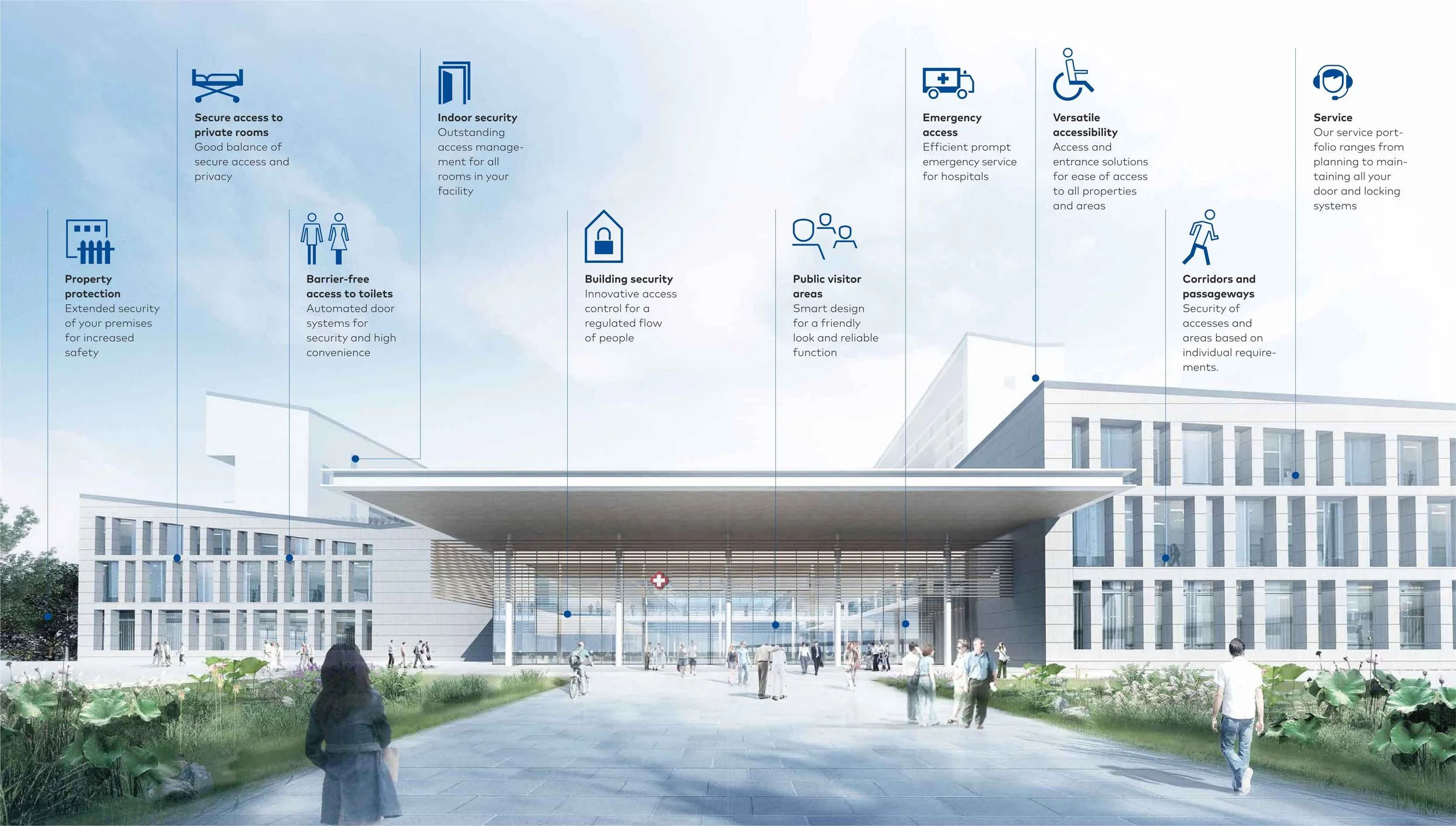
Sustainable Healthcare Case Study
Sustainable Hospital Project — Green Healthcare Architecture and Future-Ready Infrastructure Case Study
A sustainable healthcare planning editorial focused on climate response, energy efficiency, daylight, healthcare interiors, resilient systems and future-ready hospital infrastructure.
Project Overview
Sustainable healthcare architecture reduces operational burden while improving comfort, resilience and lifecycle value.
This sustainable hospital project is structured as a green healthcare architecture case study. It documents how environmental intelligence, hospital planning, patient comfort and operational efficiency can work together.
The page reinforces Soul Architects’ expertise in sustainable hospital design while connecting sustainability to healthcare workflows, critical care systems, interiors and future scalability.
The objective is to show that sustainable healthcare infrastructure is not a visual style. It is a long-term operational strategy.
Healthcare Vision and Objectives
The project vision is to create healthcare infrastructure that performs responsibly for decades.
Hospitals operate continuously and place heavy demand on energy, water, HVAC and maintenance systems. The sustainable planning objective is to reduce this burden while preserving clinical performance and patient comfort.
The project connects sustainability with healthcare architecture services, because environmental performance must be integrated into hospital planning from the beginning.
Site Context and Planning Challenges
Climate-responsive site planning shapes energy use, daylight quality and long-term hospital comfort.
The planning strategy considers orientation, shading, heat gain, public arrival, service access, landscape buffers and future expansion zones. These decisions directly affect hospital energy performance and patient experience.
In Indian healthcare infrastructure, climate responsiveness is both an environmental responsibility and an operational necessity.
The project reinforces regionally intelligent healthcare planning for Lucknow, Uttar Pradesh and similar urban healthcare contexts.
Workflow and Patient Flow Planning
Sustainable hospitals must still function as efficient healthcare systems.
Patient flow, emergency movement, staff circulation, service logistics and departmental adjacency are integrated with environmental planning. A sustainable hospital is only successful if it remains operationally clear.
This connects the project with hospital planning consultant strategy and long-term healthcare performance.
ICU and Critical Care Integration
Critical care systems require sustainability without compromising safety or air quality.
ICU zones require carefully controlled HVAC, filtration, backup systems, lighting and medical infrastructure. Sustainable planning focuses on efficiency while preserving clinical reliability.
The project supports ICU planning and design through systems coordination and future-ready infrastructure thinking.
NABH-Oriented Strategy
Sustainable design and compliance-oriented planning work best when integrated early.
Accessibility, emergency movement, infection control, safety systems and operational clarity are planned alongside energy and material strategies.
This creates a bridge between green healthcare architecture and NABH hospital planning.
Healthcare Interior Design Approach
Sustainable interiors support healthier indoor environments and calmer patient experiences.
Interior planning considers low-emission materials, daylight-responsive layouts, acoustic comfort, durable surfaces, efficient lighting and emotionally balanced spaces.
This reinforces the relationship between sustainability and healthcare interior design.
Future Scalability Planning
A sustainable hospital must remain adaptable as healthcare models and technologies change.
Future-ready planning supports expansion, technology upgrades, infrastructure resilience, flexible departments and long-term lifecycle value.
Soul Architects treats sustainable healthcare design as an institutional investment rather than an isolated green feature.
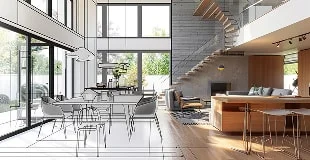
Visual Project Gallery
Sustainable healthcare architecture visuals and process references
The gallery supports climate, systems and healthcare planning ideas in a lightweight editorial format.



Architectural Philosophy
Sustainable healthcare design should support people, performance and environmental responsibility together.
Soul Architects approaches sustainability through operational intelligence. The goal is to create hospitals that are easier to operate, healthier to occupy and more resilient over time.
This project reinforces the studio’s healthcare authority while supporting local and national relevance for future-ready healthcare infrastructure.
Healthcare Expertise CTA
Planning a Sustainable Hospital or Healthcare Campus?
Soul Architects supports hospitals and healthcare institutions with climate-responsive planning, sustainable interiors, efficient systems coordination and future-ready healthcare infrastructure strategy.
Frequently Asked Questions
Sustainable Hospital Project FAQs
Sustainable hospital projects integrate energy efficiency, climate response, water conservation, healthy materials, daylight and long-term operational resilience.
Yes, but critical care sustainability must be coordinated carefully with air quality, filtration, safety and clinical reliability.
Adaptable hospitals reduce future waste, retrofit costs and operational disruption as healthcare needs change.